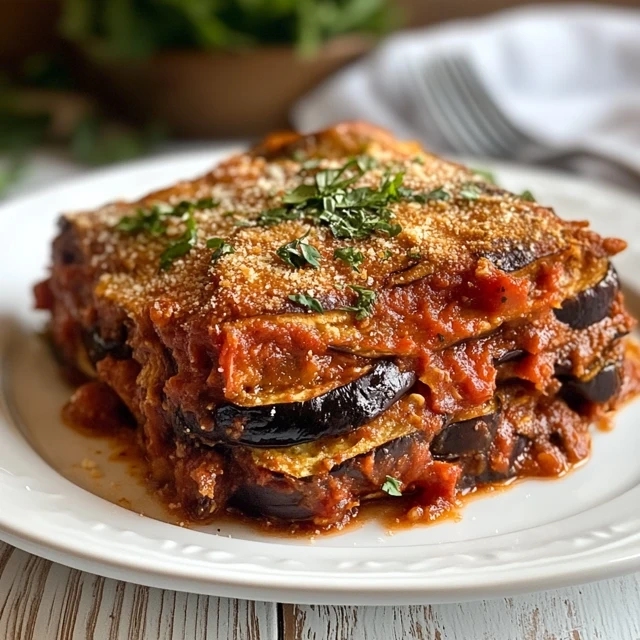
The Quest for The Best Eggplant Parmesan: Beyond the Cheese
Imagine a dish so comforting, so satisfying, it transports you straight to a sun-drenched Italian trattoria. We're talking about Eggplant Parmesan – a culinary masterpiece of tender eggplant, rich tomato sauce, and gooey, melted cheese. For many, it's the ultimate meatless main, a symphony of flavors that delights even the most ardent carnivores. But what truly elevates a good eggplant parmesan to the best eggplant parmesan? While the quality of your marinara and the richness of your cheese are undeniably crucial, the secret often lies in an unsung hero step: proper preparation of the eggplant itself. This isn't just about slicing and cooking; it's about understanding the very nature of the eggplant and how to coax out its finest qualities for a truly unforgettable texture.
The allure of this classic Italian-American dish lies in its layers of flavor and texture. From the robust tang of fresh tomato sauce to the creamy embrace of mozzarella and the salty punch of Parmesan, every bite is a journey. However, a common pitfall that can derail even the most promising recipe is soggy or bitter eggplant. No one wants an otherwise delicious dish marred by an unpleasant texture. This is where a simple, yet profoundly impactful technique comes into play, a technique that many culinary experts, including those inspired by timeless recipes like Jamie Oliver's Eggplant Parm: Roasted, Make-Ahead Perfection, swear by: salting the eggplant.
The Secret Weapon: Why Salting Eggplant is Non-Negotiable for Perfect Texture
For those striving to create the best eggplant parmesan, understanding the role of salting is paramount. This isn't just an old wives' tale; it's a fundamental technique rooted in science that addresses two primary challenges associated with eggplant: excess moisture and potential bitterness. Eggplant, by nature, is a highly porous vegetable with a significant water content. If cooked without this critical preparatory step, that moisture is released during baking or frying, leading to a watery, spongy, and utterly disappointing texture. Imagine biting into a slice of eggplant that collapses rather than holds its tender form – not exactly the perfection we seek.
Furthermore, larger or more mature eggplants can sometimes possess a subtle bitterness, thanks to compounds called solasodine rhamnosyl glycosides. While not harmful, this bitterness can interfere with the delicate balance of flavors in your parmesan. Salting acts as a double agent, drawing out not only the unwanted moisture but also these bitter compounds, leaving you with eggplant slices that are milder, sweeter, and perfectly primed for absorption of flavor. By undergoing this process, your eggplant slices are transformed, ready to bake up tender on the inside with an exquisite, firm structure that holds its own within the layers of your dish. This foundational step ensures every component contributes to the ultimate goal: a sublime eating experience where every forkful of your homemade eggplant parmesan is a testament to perfect texture and balanced flavor.
Step-by-Step Salting for Superior Eggplant Slices
Achieving perfectly prepared eggplant for the best eggplant parmesan is straightforward once you know the technique. Here's a practical guide to salting your eggplant slices:
- Slice with Precision: Begin by washing your eggplant thoroughly. Deciding whether to peel is a matter of personal preference; smaller, younger eggplants often have tender skins that can be left on, while larger, older ones may benefit from peeling to remove potentially tough or bitter skin. Slice the eggplant into uniform rounds or planks, about 1/4 to 1/2 inch thick. Consistency is key for even cooking.
- The Salt Application: Arrange a single layer of eggplant slices on a wire rack placed over a baking sheet (to catch the moisture). Generously sprinkle coarse salt (like kosher salt or sea salt) over the top of each slice. Don't be shy, but avoid over-salting to the point where it looks like snow.
- The Waiting Game: Let the salted eggplant slices rest for at least 30 minutes, but preferably an hour or even two. You'll notice beads of moisture forming on the surface – this is the excess water being drawn out! For particularly large or bitter eggplants, you might even see small puddles forming on your baking sheet.
- Rinse and Pat Dry (Crucial!): After resting, you have two options:
- Option A (Recommended for less salty taste): Lightly rinse the eggplant slices under cold running water to remove excess salt.
- Option B (If you're confident in your salting): Skip rinsing and simply move to the next step.
Once patted dry, your eggplant slices are primed for the next stage of cooking, ready to absorb flavors and bake into glorious submission, free from sogginess and bitterness. This simple effort makes all the difference.
Revolutionizing Texture: Roasting vs. Frying for The Best Eggplant Parmesan
Traditionally, many eggplant parmesan recipes call for frying the eggplant slices, a method that can be messy, oil-intensive, and often results in slices that are either overly greasy or not uniformly cooked. However, a culinary shift towards healthier and equally delicious alternatives has led many home cooks and professional chefs alike to embrace roasting as the superior method for achieving the best eggplant parmesan texture. Recipes inspired by culinary innovators, much like those you find for Baked Eggplant Parmesan: Crispy & Tender Without Frying, demonstrate how roasting can yield beautifully tender-on-the-inside, crispy-on-the-outside eggplant without the added oil and fuss.
After the crucial salting and drying process, roasting the eggplant slices until golden brown allows them to develop a wonderfully firm yet yielding texture. This method requires significantly less oil, leading to a lighter, less greasy final dish. Furthermore, roasting ensures more consistent cooking, as the eggplant bakes evenly in the oven, rather than risking uneven browning or oil saturation that can occur during pan-frying. This technique not only enhances the eggplant's natural flavor by caramelizing its exterior but also contributes to the structural integrity of the layered parmesan. No longer do you have to worry about the eggplant disintegrating into a watery mess; instead, each slice retains its form, contributing to a harmonious and perfectly textured bite. This modern approach is not just a shortcut; it's a refinement that genuinely elevates the overall experience of your homemade eggplant parmesan.
Assembling Your Masterpiece: Layers of Flavor
With your perfectly prepared eggplant as the foundation, assembling the best eggplant parmesan becomes an act of culinary artistry. The layers are simple yet profound: rich, homemade marinara sauce (or a high-quality store-bought variety), generous slices of fresh mozzarella that melt into glorious pools, and liberal sprinklings of freshly grated Parmesan cheese. Some prefer a final touch of fresh basil, adding an aromatic burst of freshness.
The beauty of this dish, especially when using roasted eggplant, is its make-ahead potential. You can assemble the entire dish, cover it, and refrigerate it for a day or two, allowing the flavors to meld and deepen before baking. This not only makes entertaining a breeze but also often results in an even more flavorful experience. Bringing it to room temperature before baking ensures even heating and that perfect bubbly, golden crust we all adore. Every element, from the prepped eggplant to the thoughtful assembly, contributes to a homemade eggplant parmesan that rivals any restaurant offering.
Conclusion
Creating the best eggplant parmesan is a rewarding culinary endeavor that goes beyond simply combining ingredients. It’s about understanding and respecting each component, especially the star of the show: the eggplant. By embracing the simple, yet transformative, step of salting your eggplant slices, you unlock a world of perfect texture and enhanced flavor, banishing sogginess and bitterness for good. Coupled with the modern, healthier approach of roasting over frying, you’re set to achieve a dish that is not only exquisitely delicious but also perfectly balanced in every bite. So, the next time you set out to make this classic Italian favorite, remember that the secret to its perfection lies in this crucial preparatory step. Your taste buds, and your guests, will thank you.
